Religious Formation Ministry Programme
History of the RFM Programme
The Loreto House Programme, as the Religious Formation Ministry Programme is more popularly known, was established in Ireland in 1982. The initiative was taken by the Conference of Religious of Ireland (then known as the Conference of Major Religious Superiors). It came into being in response to the need to prepare religious women and men and for the ministry of formation of new members and for leadership roles in their Congregations/Societies/Dioceses. However, a significant number of religious also availed of the RFM Programme for personal renewal or to discern future ministry during a time of transition.
As the number of international participants increased the sponsorship of the RFM Programme was taken over in 1998 by the Irish Missionary Union. It offered a valuable resource to its members, many of whom were in the process of handing over responsibility for formation, leadership and projects to local members of the Congregation /Society abroad.
In 2016, CORI and IMU came together to form a new body called AMRI, Association of Leaders of Missionaries and Religious of Ireland. AMRI became the sponsoring body of the Religious Formation Ministry Programme.
The RFM Programme finally closed on June 18th 2026
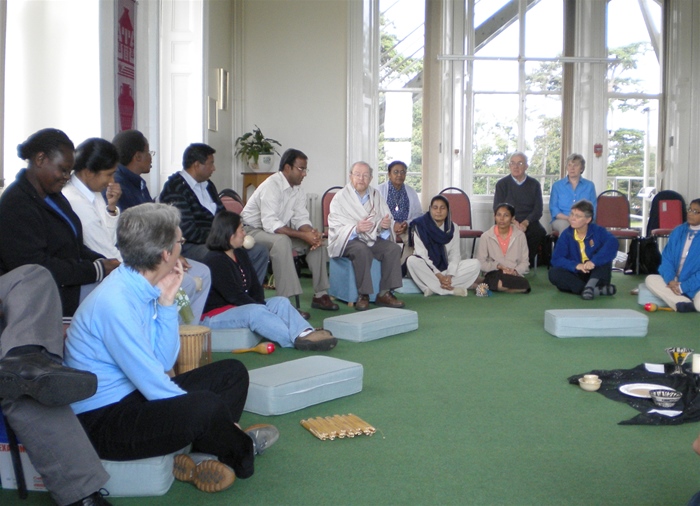
The RFM Programme continued to develop and adapt to meet the needs of participants in a rapidly evolving world and universe. In the rich and challenging environment of diverse cultures, worldviews and experiences, the RFM Programme aimed to create an inclusive, welcoming community which sought to read the signs of the times from a Gospel perspective.
RFM Programme locations 1982-2026 |
|
|---|---|
| 1982 - 1997 | Carysfort School Campus in Blackrock, Dublin |
| 1997 - 1999 | Dominican Priory in Tallaght, Dublin |
| 1999 - 2005 | Mill Hill Campus, Dartry, Dublin |
| 2005 - 2024 | Willow Park School Campus, Blackrock, Dublin |
| 2024 - 2025 | St. Raphaela's School Campus, Stillorgan, Dublin |
| 2025 - 2026 | Marian College Campus, Ballsbridge, Dublin |
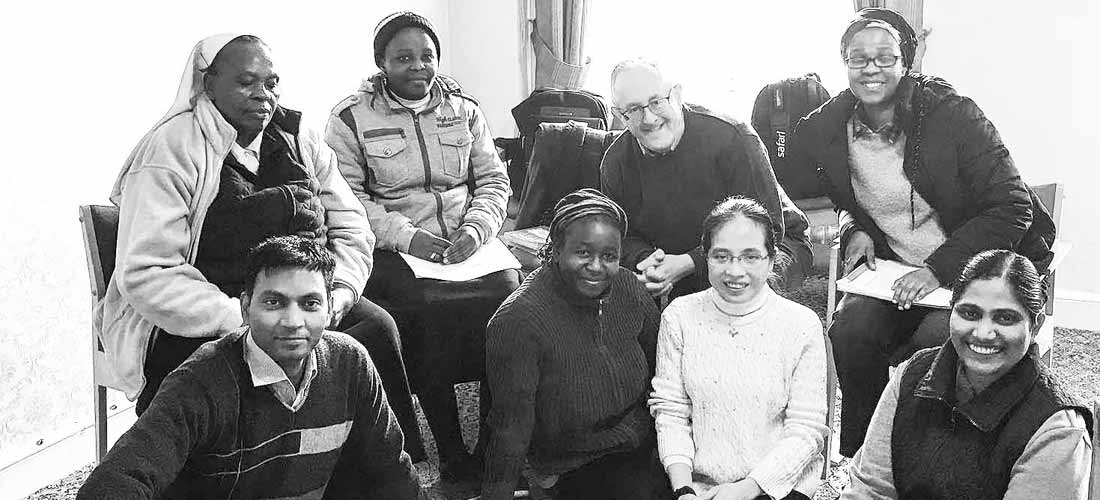
Participants From the beginning the course welcomed applicants from any part of the world, though the majority in the early years were Irish born. By the time the RFM Programme finally closed 1078 women and men had participated in it. |
||||
|---|---|---|---|---|
| Africa | Asia | Europe | Oceania | The Americas |
| 340 | 182 | 472 | 68 | 16 |
Celebrating 40 years of the RFM Programme 1982-2023